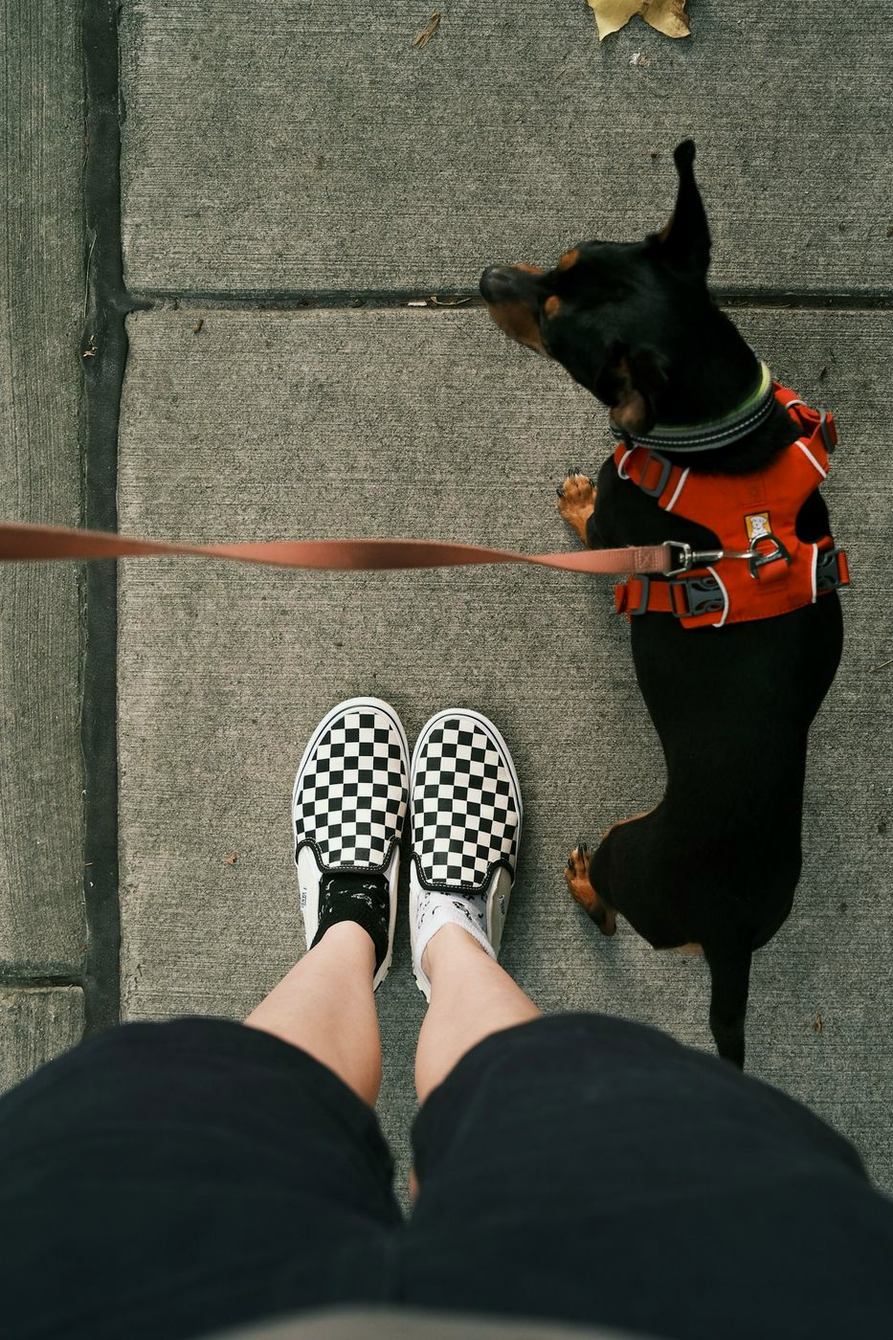
Impulse control shows up wherever something exciting is nearby. In Gilbert and Pelion, the temptation may be a deer at the edge of the lot, a neighbor's chickens or a horse across the fence. In Red Bank and the town of Lexington, it is the front door, a delivery truck or a squirrel on the Fourteen-Mile Creek Trail. Near Lake Murray, a dog that leaps from a truck or boat toward the water faces real risk. A dog that can wait is a dog that stays safe.
No package is named for impulse control alone, so the trainer evaluates the dog first and builds on the foundation work in the Essential package, typically 15 to 22 days. Exercises such as waiting at doors, leave it, let go and sit before greetings are taught with high-value treats or play. Early practice happens in a quiet space, and difficulty rises in layers with real outings. Sessions can open with play and close with tug or fetch, to channel energy.
At hand-off, the trainer teaches you how to set up the exercises: using the leash, timing the reward and avoiding accidental rewards for pulling. Homework is short and woven into daily routines, such as waiting before a meal or before the car door opens. Updates and short videos show progress. Rabies and Bordetella vaccinations and flea prevention must be current before the first lesson. The linked trainer first checks how your dog handles excitement, then builds on the nearest package.
What impulse control work usually covers
- Waiting at doors, gates and car hatches until released, which also supports safe exits on busy county roads.
- A leave it cue for dropped food, wildlife scent and items on the ground during walks.
- Sitting politely before food, leash clip-on and greetings, so excitement is channeled into a calm default.
- Using play and tug with rules, so the dog learns to turn excitement on and off.
- Practice with distractions that match your property, from a neighbor's livestock to boats and docks.
Towns in this guide. Around Lexington County.
Compare other programs. Find your fit.
How this guide works
Sourced notes. Honest limits.
Operated by K9PN. Read the Disclaimer for details.
Good questions
Before you begin.
What is impulse control in dogs?
It is the dog's ability to pause and choose a calm behavior when something exciting appears. The trainer builds it through short exercises such as wait, leave it and sit before greeting.
Which package covers impulse control?
No package names it, so the linked trainer evaluates your dog first and builds on foundation work in the nearest one, often Essential. The free intake evaluation helps decide the right fit.
My dog bolts out the door in Lexington. Can this help?
Yes. Door and gate waits are a core part of impulse control work. If bolting is the main concern, the Recall package, typically 7 to 10 days, may also be discussed at the consult.
Is play part of the training?
Yes. Play and tug are used to build energy control, with rules about when to start and stop. Sessions can open with play and close with tug or fetch. Rules keep the play useful.